Admin
Admin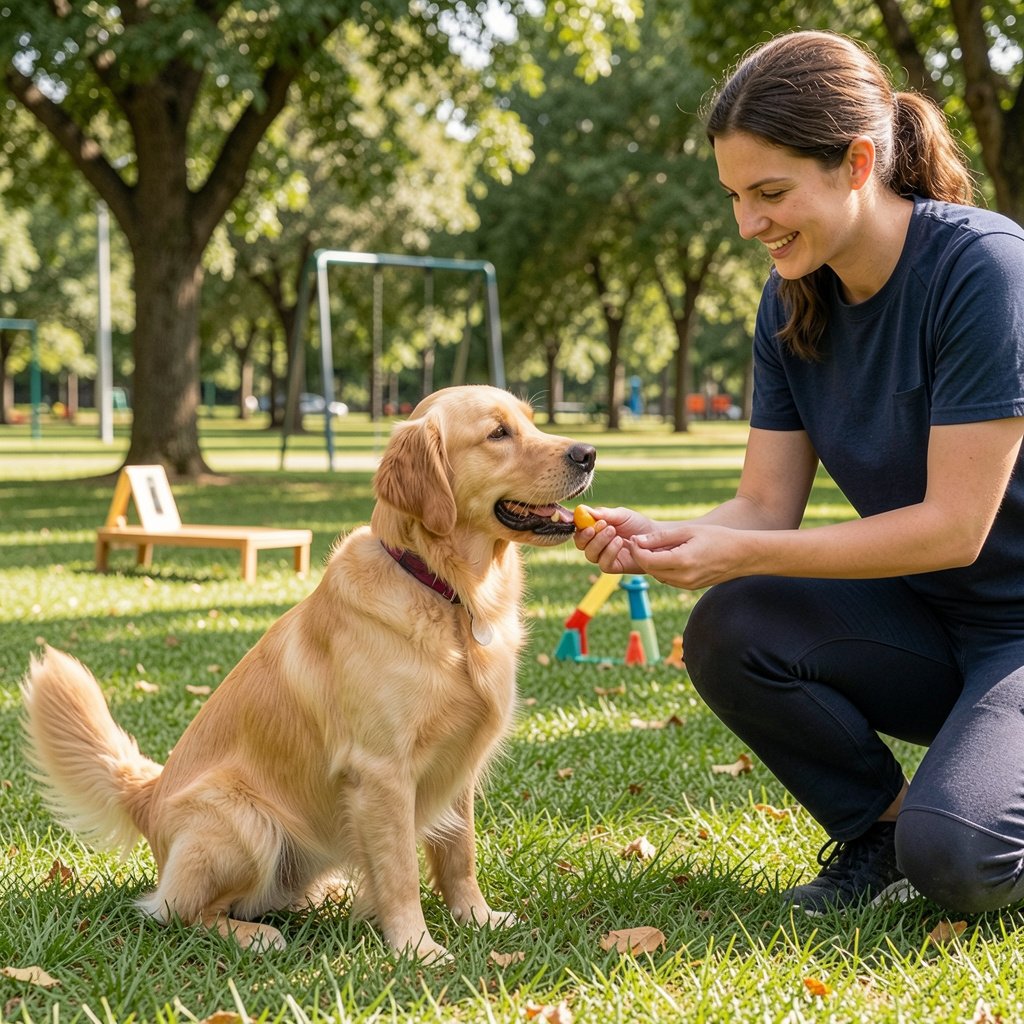
Every dog has the ability to learn, but every dog learns differently. Finding a dog trainer for all breeds Arizona pet owners can trust means working with an experienced professional who understands that breed tendencies, personality, age, environment, and previous experiences all influence behavior. Rob’s Dog Training takes a personalized approach that helps dogs build confidence, improve communication with their owners, and develop practical skills that support everyday life.
Training is much more than teaching basic commands. It creates structure, reduces confusion, and strengthens the relationship between dogs and their families. Whether raising an energetic puppy, helping an adolescent dog develop better manners, or working with an adult dog that needs guidance, consistent training provides lifelong benefits for both dogs and owners.
Why Every Breed Benefits From Professional Training
Different breeds were developed for different purposes. Herding dogs often have strong instincts to chase movement, sporting breeds usually have high energy levels, while guardian breeds may naturally be more cautious around strangers. Even within the same breed, individual personalities vary significantly.
Professional training recognizes these differences instead of applying identical methods to every dog. A thoughtful training plan considers:
- Breed characteristics
- Individual temperament
- Motivation and learning style
- Household routines
- Previous training experience
- Lifestyle goals
Understanding these factors creates a more enjoyable learning experience while helping dogs make steady progress.
What Makes a Dog Trainer for All Breeds Arizona Valuable?
Individualized Learning Plans
Successful training begins with evaluating the dog rather than assuming what will work. Some dogs respond quickly to food rewards, while others are motivated by toys, praise, or play.
Individualized coaching allows trainers to adjust techniques based on each dog’s progress instead of forcing every dog into a rigid program.
Experience With Diverse Personalities
Dogs come with unique histories. Some are confident and outgoing, while others may be timid or easily distracted. Working with many breeds and personalities provides valuable experience when selecting appropriate training strategies.
Experienced trainers recognize subtle behavioral signals before problems become larger challenges.
Practical Real-World Skills
Training should prepare dogs for everyday situations rather than only structured lessons. Real-life success includes remaining calm during walks, greeting visitors politely, relaxing in public spaces, and responding reliably despite distractions.
Practical training creates skills owners can use every day.
Common Goals Owners Want to Achieve
Every family has different priorities, but several training goals appear consistently among dog owners.
Better Household Manners
Many owners simply want a dog that fits comfortably into family life. Common household skills include:
- Waiting politely at doors
- Remaining calm during meals
- Settling quietly indoors
- Respecting personal space
- Following household routines
These behaviors create a more peaceful environment for everyone.
Improved Walking Skills
Pulling on the leash can make walks frustrating for both dogs and owners. Teaching loose-leash walking encourages better communication while making daily exercise safer and more enjoyable.
Walking calmly also helps reduce overstimulation and creates opportunities for continued learning outside the home.
Reliable Recall
Coming when called is one of the most valuable behaviors a dog can learn. Reliable recall improves safety while allowing dogs greater freedom in appropriate environments.
Building recall requires consistency, repetition, and positive reinforcement over time.
Better Focus Around Distractions
Dogs encounter distractions everywhere, including:
- Other dogs
- People
- Wildlife
- Traffic
- New environments
- Interesting smells
Learning to focus despite distractions helps dogs remain responsive even in stimulating situations.
How Positive Reinforcement Supports Long-Term Success
Modern training emphasizes rewarding desired behaviors rather than focusing solely on mistakes. Positive reinforcement encourages dogs to repeat behaviors that produce rewarding outcomes.
Rewards may include:
- Treats
- Toys
- Verbal praise
- Affection
- Play
- Environmental rewards
This approach creates enthusiastic learners while strengthening trust between dogs and their owners.
Consistency remains essential regardless of the training method. Dogs learn faster when expectations remain clear across every family member.
Why Early Training Creates Lasting Habits
Puppies absorb information rapidly during their early months of development. Introducing basic skills early helps establish positive habits before undesirable behaviors become deeply ingrained.
Important puppy lessons include:
- Name recognition
- Basic obedience
- Social experiences
- Handling exercises
- Confidence building
- Calm behavior
Early guidance provides a strong foundation that supports future learning throughout adulthood.
Older Dogs Can Learn New Skills Too
A common misconception is that adult dogs cannot change established behaviors. In reality, dogs continue learning throughout their lives when training remains consistent and appropriately structured.
Older dogs often benefit from:
- Refresher obedience
- Improved leash manners
- Confidence-building exercises
- Mental enrichment
- Better impulse control
- Household behavior improvements
Progress may occur at different speeds, but learning never truly stops.
Building Communication Instead of Control
One of the biggest misconceptions about training is that it focuses on controlling dogs. Effective training actually improves communication.
Dogs do not naturally understand human expectations. Clear communication helps them understand which behaviors lead to positive outcomes.
When communication improves:
- Dogs become more confident.
- Owners become more consistent.
- Daily routines become easier.
- Stress decreases for everyone.
- Trust grows naturally.
Training becomes a partnership rather than a series of corrections.
Consistency Makes the Difference
Even excellent training sessions produce limited results without consistent practice at home.
Owners who reinforce lessons during everyday routines often see faster improvement than those relying solely on scheduled sessions.
Helpful ways to practice include:
- Ask for a sit before meals.
- Practice recall during play.
- Reward calm behavior around visitors.
- Reinforce loose-leash walking daily.
- Keep training sessions short and enjoyable.
- Celebrate small improvements.
Frequent practice helps dogs understand that good behavior matters everywhere, not just during formal lessons.
Mental Stimulation Is Just as Important
Many behavior problems result from boredom rather than stubbornness.
Dogs need opportunities to think, solve problems, and engage their natural instincts. Mental exercise can reduce excessive barking, destructive chewing, and unwanted behaviors while supporting emotional well-being.
Activities that encourage mental engagement include:
- Puzzle feeders
- Scent games
- Short obedience sessions
- Trick training
- Interactive toys
- Structured play
Combining mental and physical exercise creates a more balanced daily routine.
Choosing the Right Training Professional
Finding the right trainer involves more than comparing services. Owners should look for professionals who value education, communication, and individualized instruction.
Important qualities include:
- Experience with multiple breeds
- Clear communication
- Positive training philosophy
- Personalized recommendations
- Practical problem-solving
- Ongoing owner education
A knowledgeable trainer teaches owners as much as dogs, ensuring lessons continue long after formal sessions end.
Training Is an Investment in Everyday Life
Well-trained dogs often experience greater freedom because owners feel more confident bringing them into new environments and activities.
Benefits frequently include:
- More enjoyable walks
- Improved safety
- Better behavior around guests
- Reduced household stress
- Stronger family relationships
- Greater confidence for both dog and owner
These improvements extend far beyond learning individual commands.
Creating Lifelong Success
Training should never be viewed as a short-term project. It is an ongoing process that evolves as dogs mature and encounter new experiences, helping them build confidence and develop reliable behaviors throughout every stage of life.
Working with an experienced trainer who understands different breeds, personalities, and learning styles creates a strong foundation for lasting success. Rob’s Dog Training emphasizes consistent guidance, patience, and positive communication to help dogs strengthen their skills while building a trusting relationship with their owners.
Whether welcoming a new puppy or helping an older companion refine existing skills, choosing a dog trainer for all breeds Arizona families can rely on supports better communication, greater confidence, and a happier life together.