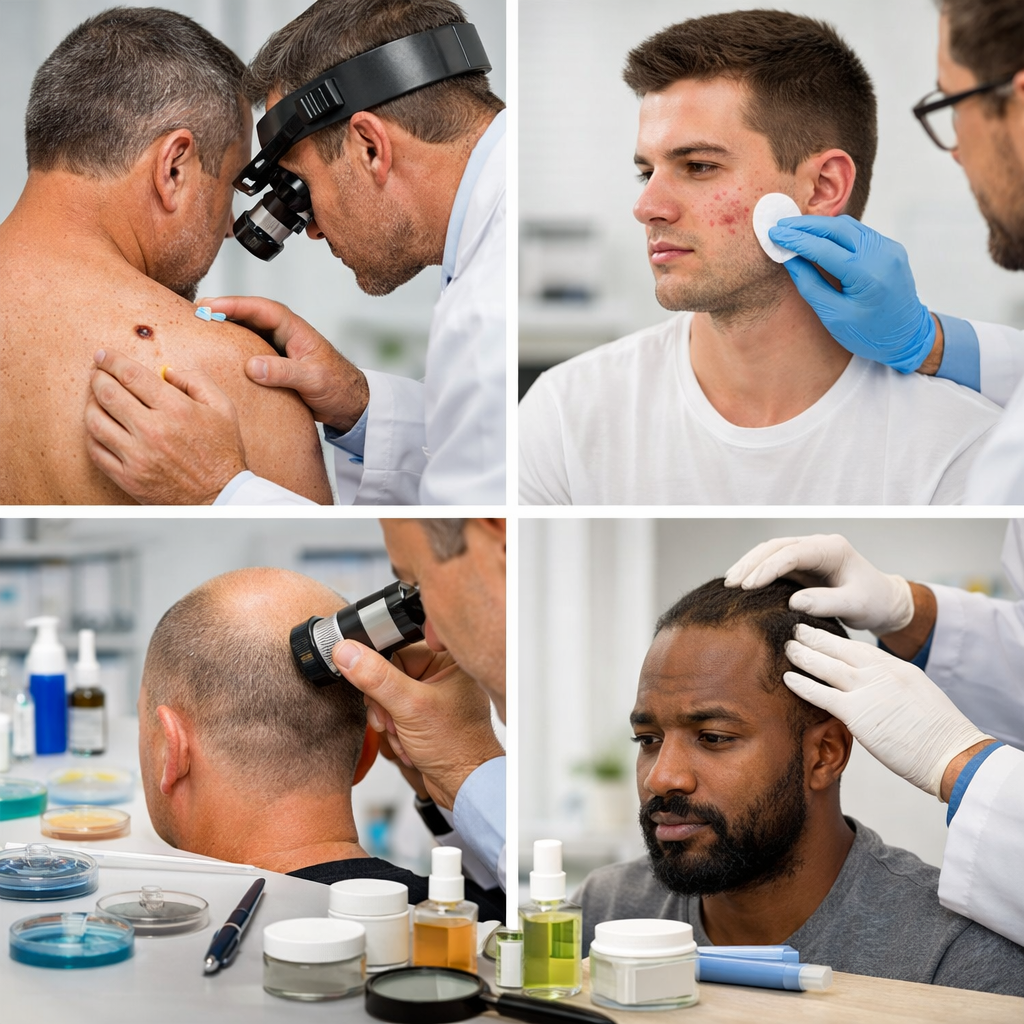
Skin issues have a way of showing up without warning. One day everything feels fine, the next day there is irritation, redness, or a breakout that refuses to settle. That is why many people turn to DERMATOLOGY not just when something looks wrong, but when they want clear answers about what their skin is trying to say. At LIV Hospital, dermatology focuses on understanding the skin as a living, changing organ that reacts to health, habits, climate, and stress in very real ways.
What Dermatology Really Covers
Dermatology is often reduced to acne or cosmetic treatments, but the field is much broader than that. Skin, hair, and nails all fall under dermatological care. These areas can reflect deeper health conditions or respond strongly to lifestyle changes.
Some of the most common concerns handled through dermatology include:
- Acne at different life stages, not just teenage acne
- Eczema, psoriasis, and other inflammatory skin conditions
- Rashes caused by allergies, infections, or unknown triggers
- Fungal and bacterial skin infections
- Hair loss, thinning, or scalp disorders
- Nail changes that signal nutritional or medical issues
Dermatology looks at patterns, duration, triggers, and how the skin behaves over time. That bigger picture often leads to more accurate treatment.
How Skin Conditions Are Diagnosed
A key part of dermatology is careful observation. Skin conditions can look similar on the surface but behave very differently underneath. A proper diagnosis usually starts with a detailed discussion about symptoms, lifestyle, and medical history.
Dermatologists may rely on:
- Visual examination of the affected area
- Dermatoscopy for closer inspection of skin structures
- Patch testing for allergic reactions
- Skin biopsies when clarity is needed
- Lab tests to rule out infections or systemic causes
This process avoids guesswork. Instead of masking symptoms, dermatology aims to identify why the condition exists in the first place.
Acne Is Not Just One Condition
Acne is one of the most searched dermatology topics, yet it is often misunderstood. Not all acne is caused by oily skin, poor hygiene, or diet alone. Hormones, genetics, stress, and even certain medications can play a role.
Dermatology approaches acne by type and severity:
- Comedonal acne with blackheads and whiteheads
- Inflammatory acne with painful red bumps
- Cystic acne that can leave scars
- Adult-onset acne that behaves differently than teenage acne
Treatment plans may include topical therapies, oral medications, lifestyle adjustments, or a combination that evolves as the skin responds.
Managing Chronic Skin Conditions
Conditions like eczema and psoriasis do not simply disappear with one cream. Dermatology treats these as long-term conditions that need consistent management and adjustment.
Care often focuses on:
- Reducing inflammation and flare-ups
- Repairing the skin barrier
- Identifying environmental or dietary triggers
- Teaching daily care routines that protect sensitive skin
With the right dermatological guidance, many people learn how to keep symptoms under control rather than constantly reacting to flare-ups.
Dermatology and Skin Infections
Skin infections can spread quickly if ignored. Fungal infections, bacterial growth, and viral conditions all show up differently on the skin, which is where dermatology plays a critical role.
Accurate identification matters because treatments vary widely. What helps a fungal infection can worsen a bacterial one. Dermatology ensures the right treatment is used from the start, reducing discomfort and recovery time.
Hair and Scalp Health Matters Too
Hair loss is often treated as a cosmetic concern, but dermatology looks deeper. Sudden shedding, thinning patches, or scalp irritation can signal hormonal shifts, stress, nutritional deficiencies, or autoimmune issues.
Dermatology evaluates:
- Patterned hair loss in men and women
- Sudden hair shedding after illness or stress
- Scalp conditions like dandruff or folliculitis
- Hair shaft disorders that cause breakage
Treatment is most effective when started early, which is why proper dermatological evaluation matters.
Everyday Habits That Affect Skin Health
Dermatology does not exist only in clinics. Daily habits play a huge role in how skin behaves. Small changes can make a noticeable difference when guided by professional insight.
Common dermatology-backed advice includes:
- Using gentle cleansers instead of harsh soaps
- Avoiding overuse of active products
- Protecting skin from excessive sun exposure
- Maintaining hydration and balanced nutrition
- Understanding your own skin type rather than copying trends
These habits support treatments and help prevent future issues.
Why Specialized Dermatology Care Makes a Difference
Skin problems are visible, personal, and often frustrating. Dermatology provides clarity when online advice conflicts or home remedies fail. At LIV Hospital, dermatology focuses on accurate diagnosis, thoughtful treatment plans, and long-term skin health rather than quick fixes.
Healthy skin is not about perfection. It is about comfort, confidence, and understanding what your skin needs at different moments in life. Sometimes that understanding begins with a question in the mirror, sometimes with a small change in routine, and sometimes with a quiet appointment that finally makes things click.