Admin
Admin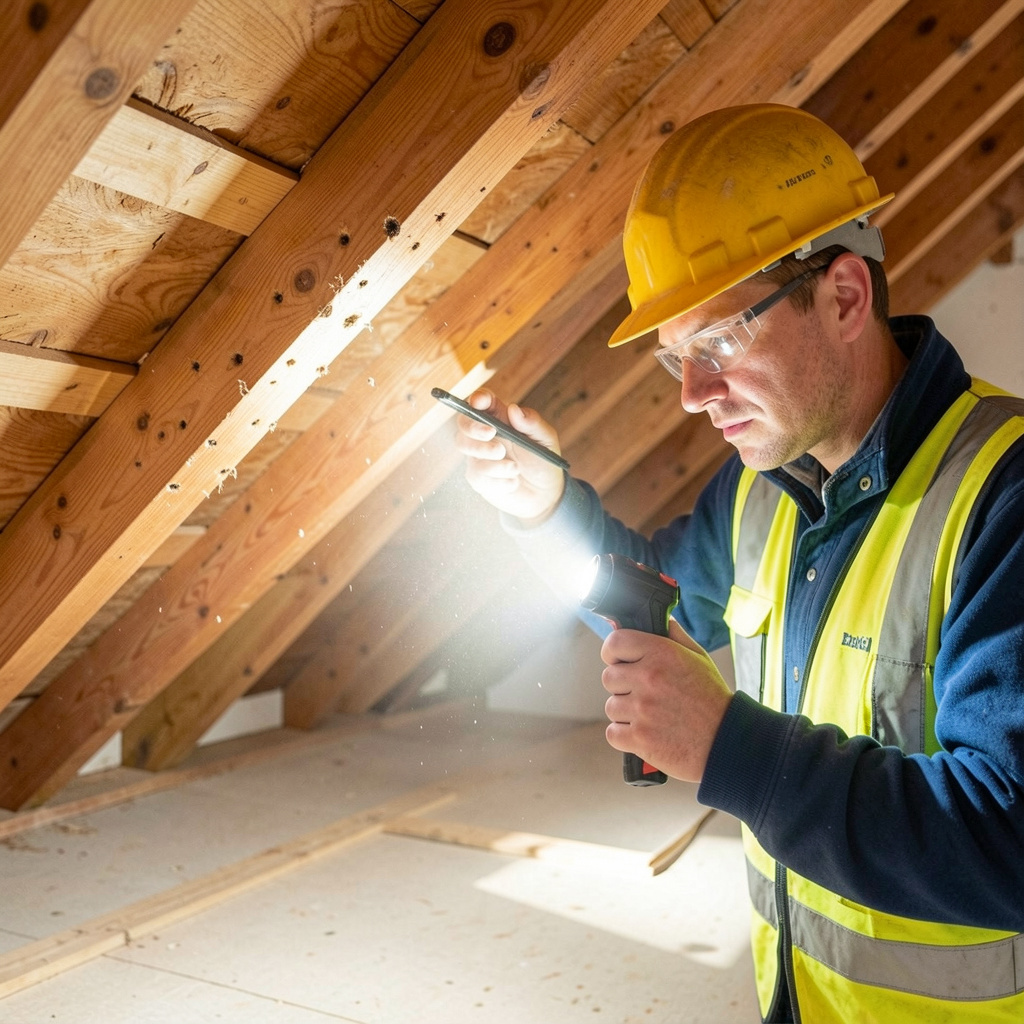
Buying a wood-frame house can be an excellent investment. Timber homes offer warmth, energy efficiency, natural beauty, and long-term durability when they are properly built and maintained. However, because wood is an organic material, it can be affected by moisture, wood-boring insects, fungal decay, and structural wear over time. A thorough inspection before purchasing a property can help you identify potential issues, estimate future maintenance costs, and make a more informed buying decision.
Fortunately, most timber-related problems can be detected early with careful observation and a professional inspection. In this guide, you’ll learn what to look for when inspecting a wood-frame house, the warning signs of hidden damage, and when to seek expert advice before completing your purchase.Visit online https://www.shashel.eu for more details .
Why a Timber Inspection Is Important
A wood-frame home may appear to be in excellent condition on the surface while concealing issues inside walls, roof structures, or crawl spaces.
A detailed inspection can help identify:
- Moisture damage
- Woodworm (wood-boring beetles)
- Termites (in some regions)
- Fungal decay
- Structural movement
- Poor ventilation
- Previous repairs
- Areas requiring future maintenance
Identifying these issues before buying allows you to budget for repairs or negotiate with the seller.
Start With the Exterior
Begin your inspection by walking around the outside of the property.
Look for:
- Cracked or damaged timber cladding
- Peeling paint or deteriorated finishes
- Signs of water staining
- Loose or warped boards
- Vegetation touching exterior walls
- Poor drainage around the foundation
Exterior timber should appear well maintained and free from obvious signs of decay.
Inspect the Roof
The roof protects the entire timber structure.
Check for:
- Missing or damaged roofing materials
- Sagging rooflines
- Damaged flashing
- Blocked gutters
- Overflowing downpipes
- Water stains beneath roof overhangs
Roof leaks are one of the leading causes of moisture damage in timber homes.
Examine the Foundation
A stable foundation helps protect the timber structure above it.
Look for:
- Large cracks
- Standing water
- Poor drainage
- Signs of movement
- Moisture around crawl spaces
Water accumulating near the foundation can increase humidity beneath the home.
Check the Crawl Space or Basement
These areas often reveal hidden maintenance issues.
Inspect for:
- Damp timber
- Mold or mildew
- Standing water
- Soft floor joists
- Poor ventilation
- Evidence of pests
A flashlight and moisture meter can be helpful during this part of the inspection.
Inspect Structural Timber
If roof beams, floor joists, or exposed framing are visible, examine them carefully.
Watch for:
- Cracks
- Splits
- Soft areas
- Discoloration
- Fresh wood dust (frass)
- Small round exit holes
These signs may indicate wood-boring insect activity or moisture-related deterioration.
Look for Signs of Woodworm
Woodworm is the larval stage of several species of wood-boring beetles.
Common warning signs include:
- Tiny round exit holes
- Fine powdery wood dust beneath timber
- Weak or crumbly wood
- Adult beetles near windows during warmer months
Older exit holes do not always indicate an active infestation, so a professional assessment may be necessary.
Watch for Moisture Problems
Moisture is one of the greatest threats to timber durability.
Look for:
- Water stains
- Damp smells
- Condensation
- Mold growth
- Rotting wood
- Swollen timber
Persistent moisture should always be investigated before purchasing the property.
Test Doors and Windows
Doors and windows should open and close smoothly.
Difficulty operating them may indicate:
- Timber movement
- Moisture-related swelling
- Structural settlement
- Poor maintenance
While not always serious, these issues deserve further investigation.
Inspect Ventilation
Good airflow helps keep structural timber dry.
Check whether the home has adequate ventilation in:
- Roof spaces
- Crawl spaces
- Basements
- Utility rooms
Poor ventilation can contribute to moisture buildup over time.
Ask About Previous Treatments
Ask the seller whether the property has received:
- Woodworm treatment
- Termite treatment
- Timber repairs
- Roof repairs
- Moisture remediation
- Structural restoration
Request documentation whenever possible, including inspection reports and warranties.
Consider a Professional Timber Inspection
Even experienced buyers can overlook hidden problems.
A qualified timber preservation specialist or building inspector can assess:
- Structural timber
- Hidden moisture
- Pest activity
- Wood decay
- Ventilation
- Overall building condition
Professional inspections provide valuable information before finalizing the purchase.
Modern Woodworm Treatment Options
If woodworm is identified during the inspection, treatment depends on:
- The beetle species
- Severity of infestation
- Structural condition
- Accessibility
Professional options may include approved chemical treatments or modern heat-based technologies.
Microwave Woodworm Treatment
One increasingly popular chemical-free solution is microwave woodworm treatment.
Professional microwave equipment generates controlled heat inside timber through dielectric heating, raising the internal temperature to levels that eliminate:
- Woodworm larvae
- Beetle eggs
- Pupae
- Adult wood-boring beetles
Benefits
- Chemical-free
- No pesticide residues
- Targeted treatment
- Environmentally responsible
- Preserves original timber
- Suitable for many timber-frame homes
A timber preservation specialist can advise whether this treatment is appropriate for the property.
Home Inspection Checklist
Before buying, inspect:
- Roof
- Gutters
- Foundation
- Exterior timber
- Roof beams
- Floor joists
- Crawl space
- Basement
- Windows
- Doors
- Ventilation
- Moisture levels
- Signs of pests
Taking notes and photographs can help you compare findings and discuss concerns with professionals.
Common Myths About Timber Homes
Myth 1: Older Wood-Frame Homes Are Always Risky
Fact: Many older timber homes remain structurally sound because they have been properly maintained over the years.
Myth 2: Newer Homes Can’t Have Woodworm
Fact: Although less common, wood-boring insects can affect newer homes if conditions become favorable.
Myth 3: Surface Appearance Reveals Everything
Fact: Significant moisture or pest problems can remain hidden inside walls, roof spaces, or floor structures, making professional inspections valuable.
When Should You Seek Professional Advice?
Consult a qualified professional if you notice:
- Fresh frass
- New exit holes
- Soft structural timber
- Persistent dampness
- Mold growth
- Foundation movement
- Roof leaks
- Signs of termite activity
A professional assessment can help you understand the extent of any problems and estimate repair costs before you commit to buying.
Conclusion
Inspecting a wood-frame house before buying is one of the most important steps in protecting your investment. By carefully examining the roof, foundation, structural timber, ventilation, moisture levels, and signs of pests, you can identify potential issues before they become costly surprises. Combining your own observations with a professional timber inspection provides the clearest picture of the property’s condition.
If woodworm or other timber pests are found, professional solutions—including approved chemical treatments and modern chemical-free technologies such as microwave woodworm treatment—can often address the problem while preserving the home’s original structure. With a thorough inspection and informed decision-making, you can purchase a timber-frame home with confidence and enjoy its beauty and durability for many years.